
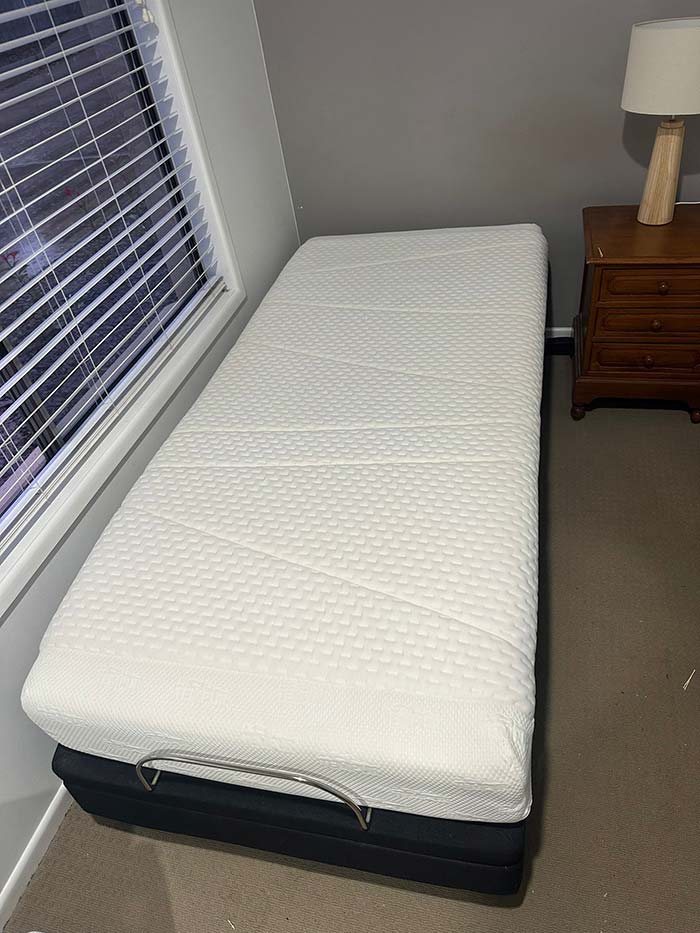
You clean a pillow top mattress by vacuuming it thoroughly, spot-treating stains with an appropriate cleaner for the stain type, deodorizing with baking soda, and then allowing it to dry completely before putting bedding back on. The most critical rule is to use as little moisture as possible. Pillow tops are thick, absorbent, and notoriously slow to dry. Excess water or cleaning solution that soaks into the pillow top layer can lead to mold and mildew that are nearly impossible to remove once established.
The pillow top is the most comfortable part of your mattress. It is also the most vulnerable to stains, odors, and cleaning mistakes. That extra layer of plush padding sewn onto the surface acts like a sponge. It absorbs spills, sweat, and cleaning products faster and deeper than a standard mattress surface. You need a cleaning approach that respects this reality. Let's walk through the entire process, from routine maintenance to deep stain treatment, without ruining the mattress you paid extra to get.
Understanding the Pillow Top Construction
Knowing what you are cleaning helps you understand why moisture control matters so much.
A pillow top is an additional upholstery layer sewn to the top of the mattress. It typically contains polyurethane foam, memory foam, latex, or fiberfill, sometimes a combination of these. The layer can be one to four inches thick. It is covered by the same outer fabric as the rest of the mattress.
Under the pillow top is the main comfort layer of the mattress. Under that is the support core. When liquid penetrates the pillow top, it does not stop at the bottom of that layer. It wicks into the main mattress body. A stain on the surface may represent a much larger contamination zone deeper inside.
Some pillow tops are sewn directly onto the mattress and are not removable. Others, particularly on newer bed-in-a-box models, have zippered pillow top covers that can be removed and laundered. Check your mattress label or manufacturer's instructions to determine which type you have. This distinction determines your entire cleaning strategy.
Step 1: Vacuum the Pillow Top Thoroughly
Always start with vacuuming, even if your goal is stain removal. Vacuuming removes loose debris, dust, skin cells, and surface dust mites before you introduce any moisture. Wetting debris turns it into mud that gets pushed deeper into the fabric.
How to Vacuum Correctly
Use the upholstery attachment on your vacuum. The brush tool is better than the crevice tool for the broad surface. A vacuum with a HEPA filter is ideal because it traps allergens rather than recirculating them.
Start at the head of the mattress and work in overlapping passes. Go slowly. Give the vacuum time to pull debris from the fabric and the upper portion of the pillow top layer. Pay extra attention to seams, tufts, and the quilted depressions. These are collection points for skin cells and dust mite matter.
Do not press hard. Let the vacuum's suction do the work. Pressing too firmly compresses the pillow top and reduces airflow.
Vacuum the sides of the mattress as well, not just the sleeping surface. Dust and debris accumulate along the side panels and in the seam where the pillow top joins the mattress body.
If your mattress has a non-removable pillow top, vacuuming is your primary routine cleaning method. Do this every one to two months.
Step 2: Spot Clean Stains Based on the Stain Type
Different stains require different cleaning agents. Using the wrong one can set the stain permanently or damage the pillow top fibers.
Identify the Stain Before You Apply Anything
Protein-based stains include sweat, blood, urine, vomit, and feces. Enzyme-based cleaners are the correct treatment for these. Enzymes break down the proteins. Standard soap or detergent will not fully dissolve these stains and may leave residue that attracts dirt later.
Oil-based stains include body oils, lotions, hair products, and food grease. These require a solvent-based spotter or a mild dish soap that cuts grease. Enzyme cleaners do not work on oil stains.
Tannin-based stains include coffee, tea, wine, and fruit juice. These respond to mild acid treatments like white vinegar diluted with water or hydrogen peroxide applied carefully. Alkaline cleaners can set tannin stains permanently.
Unknown stains. If you do not know what caused the stain, start with the gentlest method. Cold water blotting. If that does not work, try a mild dish soap and water solution. Escalate only as needed.
The Universal Spot Cleaning Technique
Regardless of the stain type, the application method is the same.
Mix your cleaning solution. For enzyme cleaners, use as directed on the bottle. For dish soap, mix a few drops with a cup of cold water. For vinegar, mix equal parts white vinegar and water. For hydrogen peroxide, use 3% solution straight from the bottle but test for colorfastness first on a hidden area.
Apply the cleaner to a clean white cloth, not directly to the mattress. You want the cloth damp, not dripping wet. Blot the stain. Do not rub. Rubbing pushes the stain deeper into the pillow top and spreads it laterally. Blotting lifts the stain into the cloth.
Work from the outside of the stain toward the center. This prevents the stain from spreading outward into clean fabric.
Switch to clean sections of the cloth frequently. When the cloth picks up the stain color, you are making progress. Keep blotting until no more stain transfers.
After the stain is lifted, blot the area with a cloth dampened with plain cold water to rinse out residual cleaning solution. Then blot with a dry cloth to remove as much moisture as possible.
Bleach Is Not for Mattresses
Do not use chlorine bleach on a pillow top mattress. Bleach can damage the fabric, discolor the material, and break down the foam inside. The fumes are also irritating to breathe during sleep. If you need whitening power, hydrogen peroxide is a safer alternative, but always test on an inconspicuous area first.
Step 3: Deodorize with Baking Soda
Baking soda absorbs odors and light moisture from the pillow top surface. This step is optional after spot cleaning but highly recommended for general freshness and for removing stale smells.
Sprinkle a thin, even layer of baking soda over the entire sleeping surface. Do not pile it on. A light dusting is sufficient. More baking soda does not mean more odor absorption. It just means more vacuuming later.
For enhanced deodorizing, add a few drops of lavender, tea tree, or eucalyptus essential oil to the baking soda before sprinkling. Mix it in a bowl first. Tea tree and eucalyptus have mild antimicrobial properties, though the effect is surface-level and not a substitute for proper cleaning.
Let the baking soda sit for a minimum of one hour. For stronger odors, leave it for 8 hours or overnight. The longer it sits, the more odor it absorbs.
Vacuum the baking soda thoroughly using the upholstery attachment. Make multiple passes. Baking soda is fine and can lodge in the quilted depressions of the pillow top. Residual baking soda left in the fabric will feel gritty when you sleep on it.
Step 4: Dry the Pillow Top Completely
This step is not optional. A damp pillow top grows mold.
After spot cleaning, the surface may feel dry to the touch within an hour. The interior of the pillow top layer is still damp. Foam and fiberfill hold moisture for much longer than surface fabric.
Position a fan to blow directly across the mattress surface. Use the highest speed. A box fan or oscillating fan works well. Open windows to create cross-ventilation if weather permits. Run a dehumidifier in the room. Set it to 30 to 40 percent relative humidity to pull moisture from the air and, indirectly, from the mattress.
Allow at least 4 to 8 hours of drying time after any spot cleaning that involved liquid. In humid weather or for larger stain treatments, wait 24 hours. Test dryness by pressing a dry paper towel firmly onto the cleaned area. If the towel feels cool, damp, or shows any moisture after 30 seconds of contact, the mattress is not dry inside. Continue airflow.
Do not put sheets, mattress protector, or any bedding back on the mattress until it is completely dry. Trapping moisture under bedding guarantees mold growth. A mattress protector, ironically, will trap cleaning moisture if you put it on too soon.
Deep Cleaning a Removable Pillow Top Cover
If your mattress has a zippered pillow top cover, your cleaning job is significantly easier. You can remove and launder it.
Check the Care Label First
Most pillow top covers are machine washable on a gentle cycle with cold water. Some require dry cleaning. Some are spot-clean only. Follow the manufacturer's instructions exactly. If you ignore the care label and damage the cover, you may void the mattress warranty.
Machine Washing the Cover
Wash in cold water on the gentle or delicate cycle. Use a mild, liquid detergent. Do not use powder detergent, which may not dissolve completely and can leave residue in the thick fabric. Do not use fabric softener. Fabric softener coats fibers and reduces breathability.
Run an extra rinse cycle to ensure all detergent is flushed out. Detergent residue in a pillow top cover can cause skin irritation for some people.
Drying the Cover
Air drying is safest. Hang the cover or lay it flat in a well-ventilated area. Direct sunlight can help with disinfection but may fade colors over time. If you must use a dryer, use the lowest heat setting. High heat can shrink the cover, damage elastic, or melt synthetic fibers. Remove the cover from the dryer while still slightly damp and let it finish air drying.
Do not put the cover back on the mattress until it is completely dry. A slightly damp cover pulled over a mattress will trap moisture against the mattress body.
How to Handle Specific Stains on a Pillow Top
Urine Stains and Odors
Urine requires enzymatic cleaner, not just soap and water. Blot up as much fresh urine as possible with paper towels. Stand on the towels to press moisture out of the pillow top. Apply enzymatic cleaner generously enough to reach the depth the urine reached. Follow the dwell time on the product label. Some require 15 minutes. Some recommend 24 hours covered with plastic wrap to prevent evaporation.
After dwell time, blot the cleaner out. Rinse by blotting with a damp cloth. Dry thoroughly with fans. Expect the treated area to take longer to dry than a water-based spot treatment.
Blood Stains
Blood is a protein stain. Use cold water only. Hot water cooks the protein and sets the stain permanently. Hydrogen peroxide, 3% solution, is effective on blood. Apply to a cloth and blot. The peroxide will foam as it reacts with the blood. Blot the foam away. Repeat until the stain lifts. Rinse with a cold water dampened cloth and dry.
Sweat and Body Oil Stains
These are the yellow stains that develop over time in the areas where you sleep. They are a combination of sweat, body oils, and dead skin cells that have oxidized.
Mix a few drops of mild dish soap with a cup of warm water. Blot the stained area. Follow with a rinse blot of plain water. For more stubborn stains, a paste of baking soda and hydrogen peroxide applied to the stain, allowed to sit for 30 minutes, then blotted away can lighten the discoloration. This method may lighten the fabric so test on a hidden area first.
Vomit Stains
Remove solid matter first with a paper towel or spatula. Do not press solids into the fabric. Blot with cold water to dilute the liquid component. Apply enzymatic cleaner as with urine. Vomit contains stomach acid and partially digested food. The enzymatic cleaner breaks down the organic compounds. Dry completely.
Common Mistakes That Ruin Pillow Top Mattresses
Soaking the mattress with cleaning solution. The number one mistake. A pillow top is not a carpet. It cannot be rinsed with water extraction the way carpet can. Every drop of liquid you put into it must be blotted out or evaporated. Overwetting leads to mold, mildew, and delamination of the foam layers.
Using a steam cleaner. Consumer steam cleaners inject moisture deep into materials and do not extract it effectively. They are designed for hard surfaces and tile, not for thick, absorbent mattress layers. The heat can also damage foam. Avoid steam cleaners on pillow top mattresses.
Rubbing stains. Rubbing grinds the stain into the fibers and spreads it. It also abrades the fabric, creating a worn spot that looks worse than the original stain. Always blot. Never rub.
Putting sheets on a damp mattress. This traps moisture between the mattress and the bedding. The dark, damp environment is perfect for mold. The mattress may look dry on the surface. Check with the paper towel test. When in doubt, wait longer.
Using too much baking soda and not vacuuming thoroughly. Excess baking soda works into the quilted channels and seams. It does not decompose. It sits there and feels gritty every night until you vacuum it out properly.
Ignoring the care label on a removable cover. Shrinking a pillow top cover in the dryer or damaging it with bleach means you now have an uncovered pillow top layer. Replacement covers are sometimes available from the manufacturer, but not always. Read and follow the label.
When to Call a Professional
Some pillow top situations exceed DIY capability.
Call a professional mattress cleaner if:
- The stain covers a large area, more than the size of a dinner plate
- The stain has penetrated deeply and you cannot get it out after two attempts
- There is a persistent odor that enzymatic cleaner and baking soda have not resolved
- You suspect mold inside the pillow top
- The mattress was soaked by a significant spill or flood and needs deep extraction
- The mattress is expensive and you do not want to risk a DIY mistake
Professional mattress cleaning costs $75 to $150 for a standard mattress and uses equipment that injects cleaning solution and extracts it with far more vacuum power than any consumer machine. Professionals also have access to stronger cleaning agents and antimicrobial treatments. For a pillow top mattress you intend to keep for years, this cost is reasonable.
Maintenance That Prevents Deep Cleaning
The best way to clean a pillow top mattress is to need to clean it less often.
Use a waterproof, breathable mattress protector. This is the single most effective thing you can do. A quality protector blocks liquids, skin cells, and dust mites from reaching the pillow top. Wash the protector monthly.
Wash bedding weekly. Sheets and pillowcases collect the sweat and skin cells that would otherwise end up in the mattress. Wash in hot water, at least 130 degrees Fahrenheit, to kill dust mites.
Vacuum the mattress every one to two months. This removes the debris that becomes odor and allergen buildup over time.
Rotate the mattress every three to six months. This evens out wear and compression across the sleeping surface.
No eating or drinking in bed. Spills are the primary cause of stains. Removing the activity removes the risk.
Keep pets off the bed, or use a pet-specific blanket on top of the bedding. Pet dander, fur, and the occasional accident are major contributors to mattress soiling.
Frequently Asked Questions
Can I use a carpet cleaner machine on my pillow top mattress?
Home carpet cleaning machines are not recommended for pillow top mattresses. They apply too much water and the vacuum recovery is too weak to extract it from deep foam layers. The moisture left behind can cause mold. Professional extraction equipment is different in both power and technique. Leave machine extraction to professionals.
How do I dry a pillow top mattress faster?
Increase airflow with box fans blowing directly on the surface. Run a dehumidifier in the room. If possible, place the mattress near an open window on a dry, sunny day. Direct sunlight helps evaporate moisture and has natural antimicrobial properties. If the mattress is small enough to move, standing it on its side with fans on both sides speeds drying significantly.
What if my pillow top has a tear or hole?
Clean the area gently, avoiding getting moisture inside the hole. After cleaning and drying, repair the tear with a mattress repair kit or fabric adhesive designed for upholstery. Do not use duct tape. The adhesive can transfer to your sheets. A small tear can be sewn shut with a curved upholstery needle and heavy thread. If you leave the tear unrepaired, the pillow top filling can work its way out over time.
Can I flip a pillow top mattress?
Most pillow top mattresses are not flippable. The pillow top is only on one side. The bottom is a firmer, non-pillow surface not intended for sleeping. Flipping a pillow top mattress places your body on the wrong side, which defeats the purpose of the mattress design and may be uncomfortable or unsupportive. Rotation, not flipping, is the correct maintenance.
Will cleaning my pillow top mattress void the warranty?
Mattress warranties typically cover manufacturing defects and excessive sagging. Stains and soiling often void warranty claims because they indicate the mattress was not properly protected. Cleaning the mattress itself does not void the warranty, but damage caused by improper cleaning, overwetting, or harsh chemicals might. Check your warranty documentation. Using a mattress protector from day one is the best way to protect both the mattress and the warranty.
How do I know if mold is growing inside my pillow top?
Signs include a persistent musty smell that worsens over time, visible discoloration on the surface that spreads, and allergy symptoms that flare up when you are in bed. If the pillow top cover is removable, unzip it and inspect the interior foam. Look for black, green, gray, or white spots. Smell the foam directly. A musty odor from the interior confirms mold. At that point, professional treatment or replacement is usually necessary.
Key Takeaways
The fundamental rule of pillow top mattress cleaning is to use minimal moisture and maximum drying. The pillow top layer is thick, absorbent, and slow to release water. Overwetting it leads to mold and mildew that are difficult or impossible to remediate.
For routine cleaning, vacuum every one to two months with an upholstery attachment. For stains, identify the stain type, use the correct cleaner, blot rather than rub, rinse with a damp cloth, and dry completely before remaking the bed. Baking soda deodorizes between deeper cleanings.
If your pillow top cover is removable and machine washable, you have a significant advantage. Wash it gently, dry it thoroughly, and treat the underlying mattress with the same vacuum and spot-clean approach.
The best strategy is prevention. A waterproof mattress protector, weekly bedding changes, and no food or drink on the bed eliminate most of the problems that require cleaning in the first place. Your pillow top mattress was an investment. Treat it with the care its construction demands, and it will stay clean, fresh, and comfortable for years.